


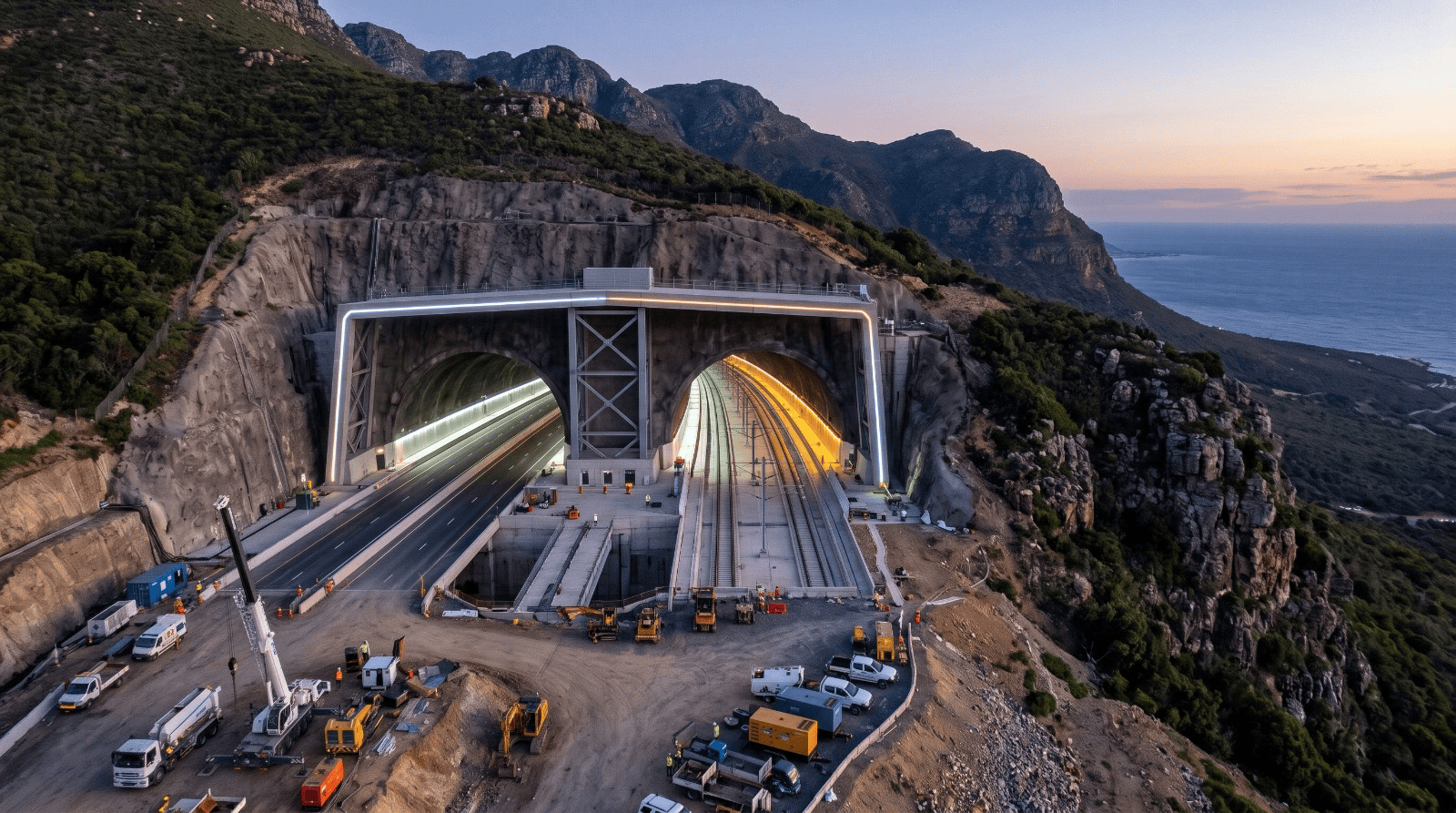
Faced with water scarcity, Jordan is preparing to launch one of the most ambitious engineering works in the Middle East: the construction of a 438-kilometer underground aqueduct in Jordan to transport desalinated water from the Red Sea to Amman, its capital. Known as the National Water Carrier Project, the initiative includes a desalination plant, pumping stations, and reservoirs to distribute the resource across the country, with completion expected by 2030 and financing from the European Bank.
Engineering challenges and brine treatment
Among the main technical hurdles facing engineers is the elevation difference over which the water must be pumped. The most demanding areas—and those receiving the greatest research focus—are sections exceeding 1100 meters above sea level.
In terms of capacity, the desalination plant will be able to produce 300 million cubic meters of drinking water per year:
- Roughly 250 million cubic meters will go to Amman.
- About 50 million cubic meters will supply Aqaba.
Another key challenge involves managing brine, a saline residue generated during desalination. This material must undergo proper treatment before being returned to the sea, as failure to do so could cause severe harm to regional marine ecosystems.
Solar power and 2030 projection
The Jordanian government expects this infrastructure to meet 40% of national water demand by 2030. To support operations, the plan adds a 281-megawatt photovoltaic solar plant aimed at supplying roughly 30% of the power needed for desalination and water transport, within a total estimated budget of $4.3 billion.
Environmental specialists and government officials designed this project as natural water sources strain and ecosystems grow drier each year. Investing in this system aims to avoid depleting natural resources and provide quality drinking water for future generations.
Source: Yahoo Noticias
