


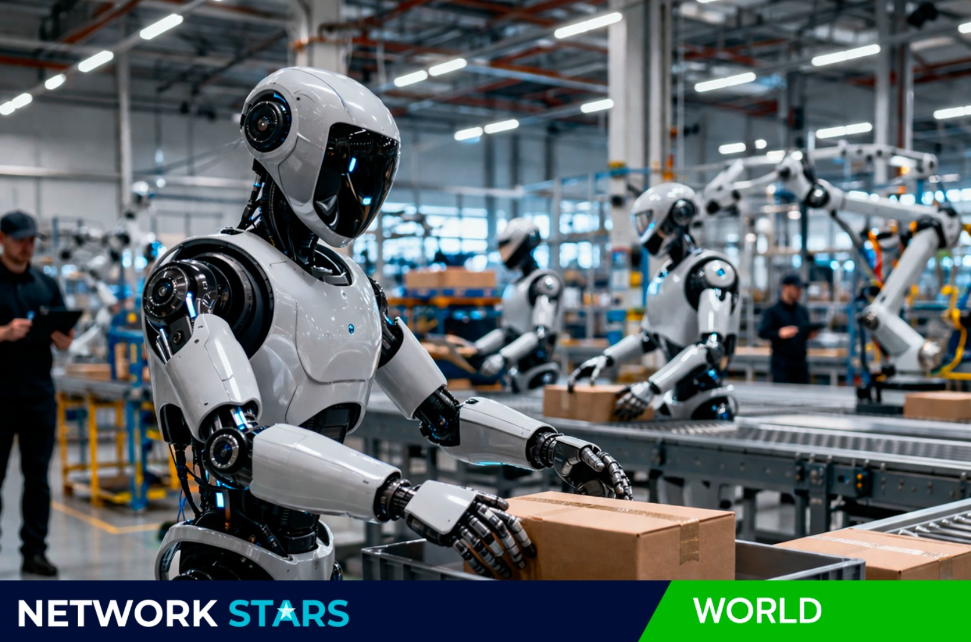
From science fiction to business reality
For years, humanoid robots seemed like a distant concept straight out of science fiction. However, the reality is changing rapidly. A global study suggests that by 2030, these machines could reach levels comparable to humans in terms of intelligence, perception, and dexterity.
The sector’s growth supports this trend: investment in robotics companies rose from $308 million in 2020 to over $1.1 billion in 2024, reflecting growing interest in this technology.
Key factors for widespread adoption
The development of humanoid robots does not depend solely on technological innovation. There are two critical factors:
Physical intelligence
Robots’ ability to interact with the real world—to perceive, analyze, and act—is essential to their integration into the workforce.
Support technology
Advances in battery and energy systems remain crucial, even though significant improvements in range have already been achieved.
The three stages of market evolution
According to industry experts, the adoption of humanoid robots will be a gradual process:
Phase 1: Industrial settings
Sectors such as automotive, mining, and energy will lead the way in adoption due to a clearer return on investment.
Phase Two: Sectoral Expansion
Robots will be used in fields such as construction, healthcare, and industrial services.
Phase 3: Commercial and residential use
Applications in cleaning, tourism, education, and hospitality will drive the market’s growth.
Costs, range, and current barriers
Currently, humanoid robots cost more than $100,000, which limits their adoption. However, prices are expected to fall by 20% to 30% annually, which could bring their cost down to between $30,000 and $40,000 in the near future.
As for battery life, some models already offer up to six hours of operation and can even replace their own batteries.
Labor shortages and an aging population: key drivers
The aging population and the shrinking workforce are accelerating the adoption of humanoid robots. These machines can take on dangerous tasks, work night shifts, and assist in the care of the elderly.
Leading companies and global competition
The sector is led by technology companies and emerging manufacturers that already produce thousands of units a year.
China stands out as the most competitive ecosystem, with more than 140 manufacturers and over 330 different models of humanoid robots.
In addition, Asian companies are driving innovation through advances in mobility, mass production, and cost reduction.
Real-world applications in industry
Humanoid robots are already being used for tasks such as:
- High-risk industrial operations
- Material handling
- Healthcare
- Automation in the Energy and Mining Sectors
They are also beginning to be integrated into customer service and support.
The Future of Work with Humanoid Robots
Everything suggests that humanoid robots will not completely replace humans, but rather complement the workforce, increasing productivity and reducing risks.
The real change will be the transformation of job roles and the need for new skills tailored to working alongside intelligent machines.
Source: Yahoo Noticias
