


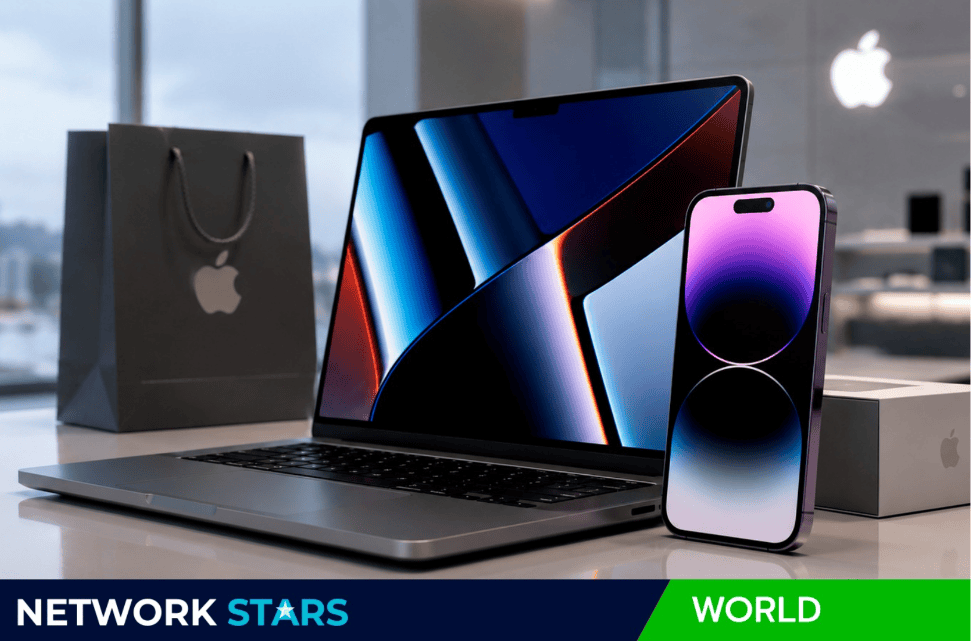
In a context where tech prices continue to rise and users are keeping their devices for longer, choosing to lease an iPhone or a Mac computer has become the newest commercial strategy for the Cupertino giant. The company has officially introduced a subscription model aimed at making its high-end catalog more accessible without requiring heavy upfront costs.
How Does the Option to Lease an iPhone with Apple and Klarna Work?
To roll out this initiative in the United States, Apple has partnered with the financial services platform Klarna. The option is available across physical retail locations as well as through its online store and official application.
Unlike traditional installment purchases, this model allows users to lease an iPhone or an Apple Watch over a 12- to 24-month period. For higher-performance computing devices, such as MacBook laptops and Mac desktop computers, customers can choose lease terms of 24 or 36 months.
Apple Devices Included in the Leasing Program
The catalog primarily covers the company’s latest and high-end models:
- Smartphones: iPhone 17 lineup and the iPhone Air model.
- Smartwatches: Apple Watch Series 11 and Apple Watch Ultra 3.
- Mac Computers: MacBook Air, MacBook Pro, iMac, and Mac Studio.
- iPad Tablets: iPad Air, iPad Pro, and iPad Mini.
It is worth noting that entry-level or previous-generation products—such as the iPhone 16, MacBook Neo, base iPad, or Apple Watch SE—are excluded from this payment option.
Cost Comparison: Leasing vs. the Traditional Upgrade Program
This new plan gradually replaces the well-known iPhone Upgrade Program, which started at around $42 per month to allow for annual device upgrades. With the alternative to lease an iPhone, monthly payments now start as low as $17.99 per month, representing significant savings on short-term recurring costs.
Tech industry analysts state that this move aims to shift consumer perception, turning hardware ownership into a monthly service similar to a streaming platform. According to recent industry studies, the average smartphone user in the United States keeps their phone for approximately 22 months before upgrading.
Inflationary Pressure on Technology Components
This strategic move coincides with global cost increases in semiconductor manufacturing. High demand for memory chips driven by data centers and artificial intelligence has pushed prices higher across the consumer electronics market.
Industry experts anticipate that upcoming generations of high-end smartphones could reach a baseline retail price of $1,500. Furthermore, this financing structure sets the stage for the anticipated launch of the brand’s first foldable iPhone, helping sustain consumer upgrade cycles.
Source: Yahoo Noticias
